



Albumin and Its Glycation at a Glance: What Happens?
Albumin
- The most abundant protein: 50-60% of plasma proteins
- Half-life: 21 days
Role and function
- Keeps good osmotic pressure
- Carries thyroid hormones, fat-soluble hormones and vitamins, free fatty-acids, unconjugated bilirubin, drugs.
- Binds metal ions and calcium ions
- Protects against long-chain fatty acids as antioxidant activity
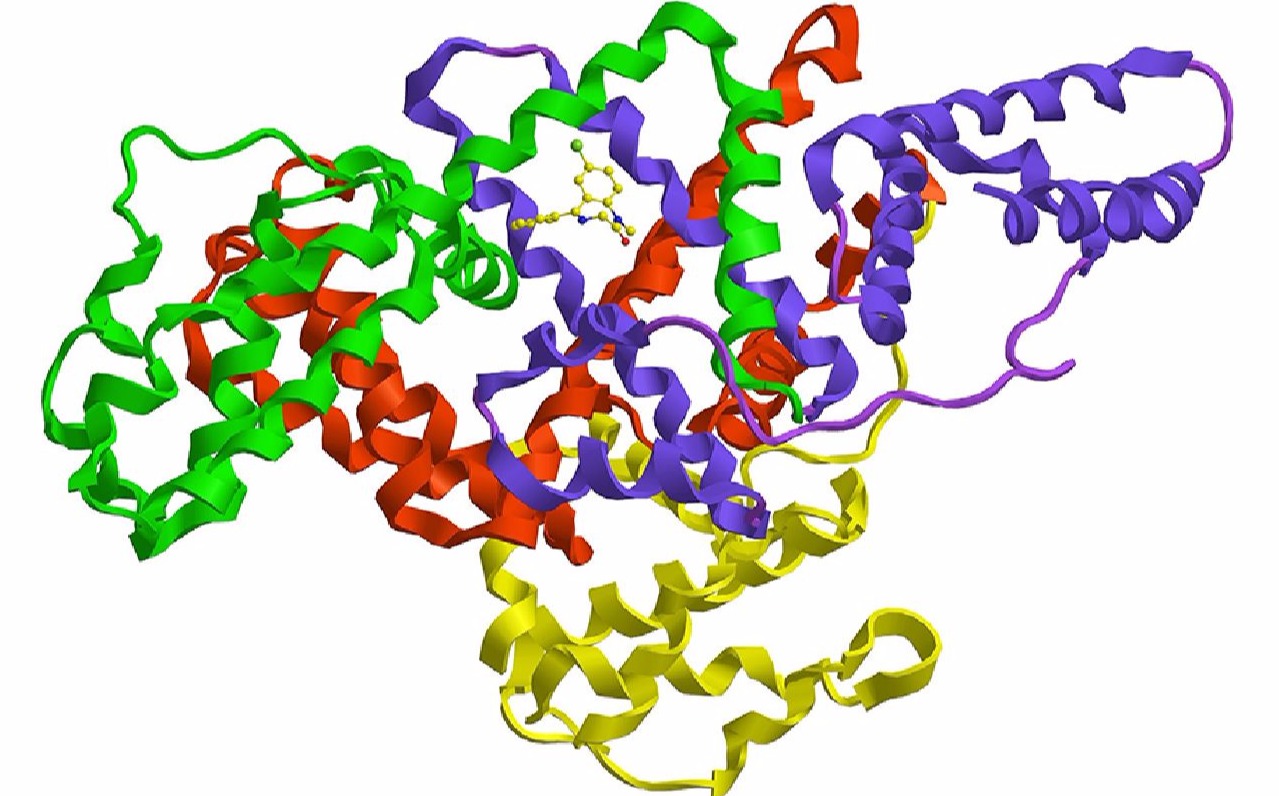
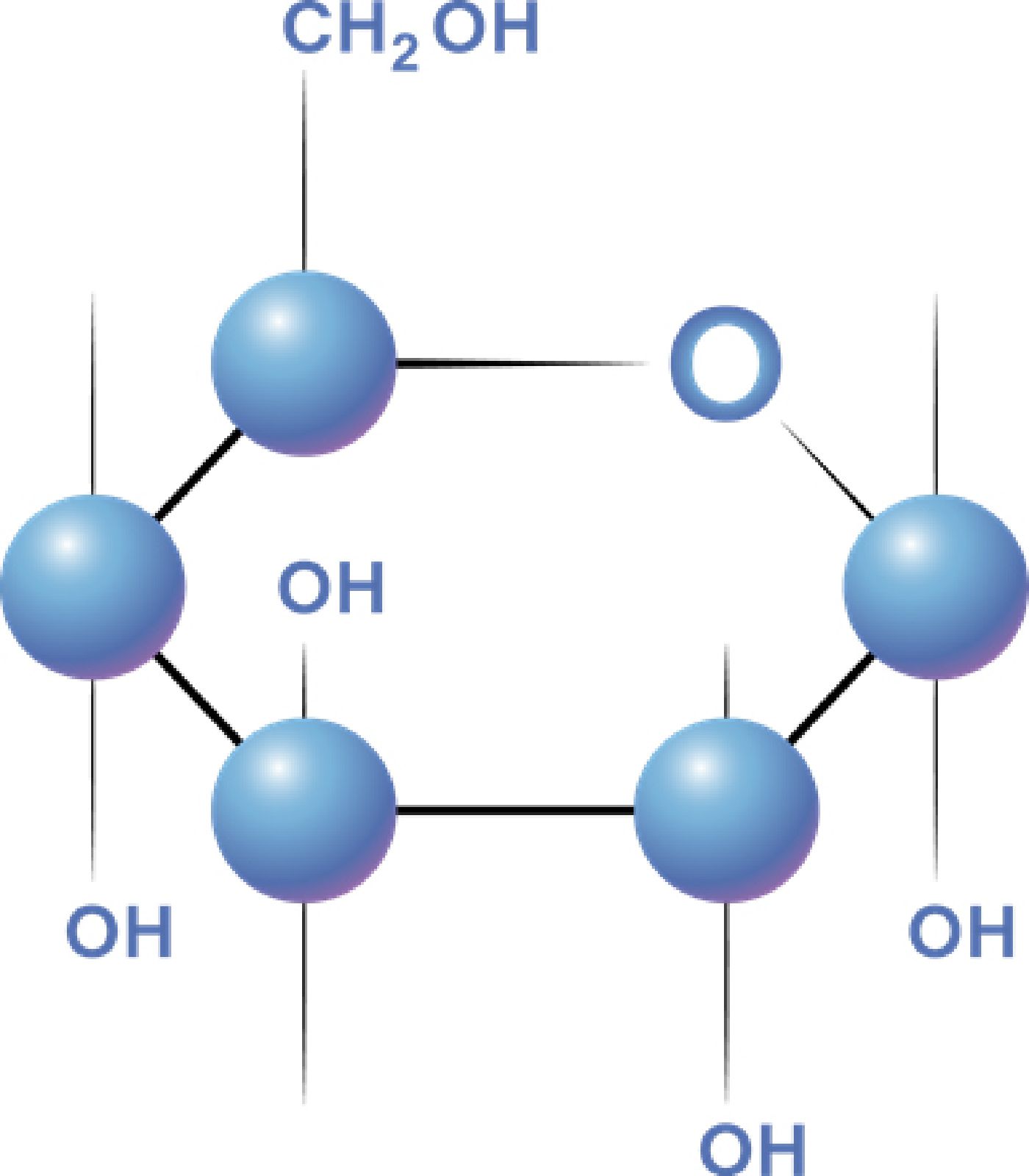
Albumin and Glucose
If there is a lot of glucose…
- Glucose molecule binds irreversibly to albumin with a passive mechanism (glycation) that forms Glycated Albumin
- When albumin gets glycated, it loses its functions
- Glycated Albumin (GA) represents 80% of the glycated plasma proteins
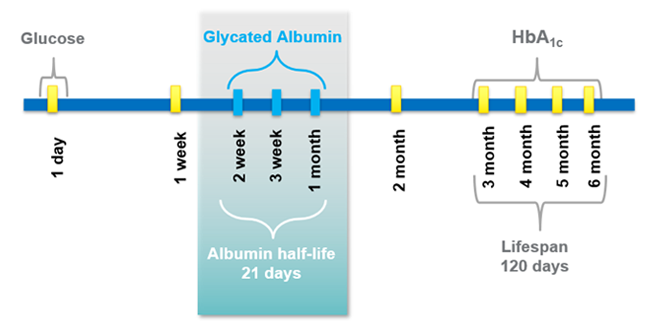
Time Graph
While HbA1c reflects the mean blood glucose concentration over the past 2-3 months, GA represents an intermediate-term marker of glycemic status providing an estimate of mean blood glucose value over the previous 2-3 weeks.
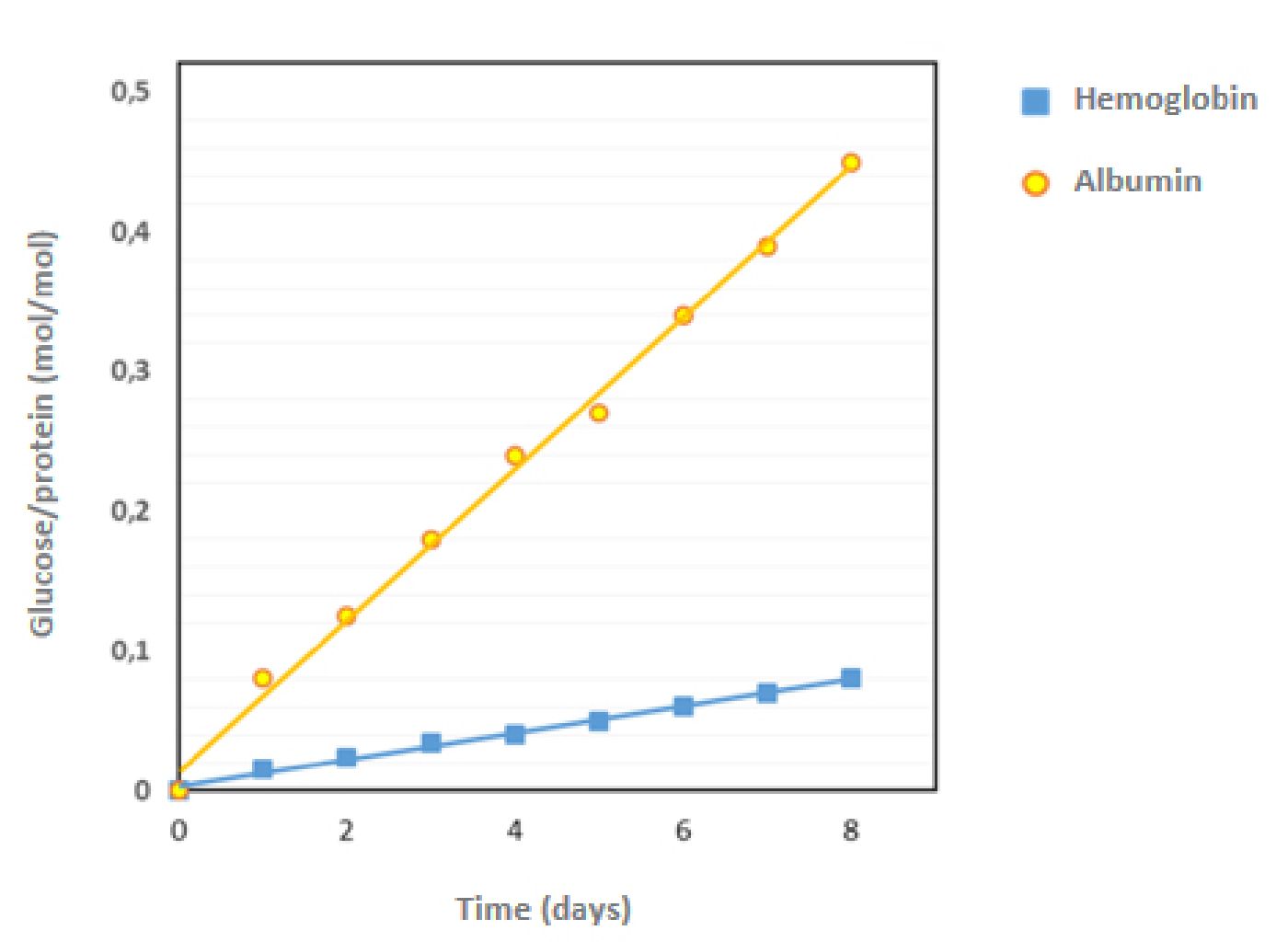
Glycation Speed
Glycated Albumin reflects even short glucose variations very fast and in a sensitive way, thanks to its concentration, its presence in plasma and its short half-life.