



Diabetes
Diabetes describes a group of metabolic diseases in which blood glucose is not metabolized either because insulin production is inadequate or not sufficient, or because the body does not respond properly to insulin or both.
Glycated Albumin can early indicate both an improvement and a deterioration of the patient’s glycaemic status. It could be useful in all those conditions requiring a short-term glycaemic control, such as after starting a drug therapy or changing it.
Variations occurring in GA in the first two weeks predict changes in HbA1c expected to occur 3 months later

Displaying items by tag: CKD
Monday, 15 January 2024 16:10
Associations of Glycated Albumin and HbA1c with Chronic Kidney Disease in US Adults
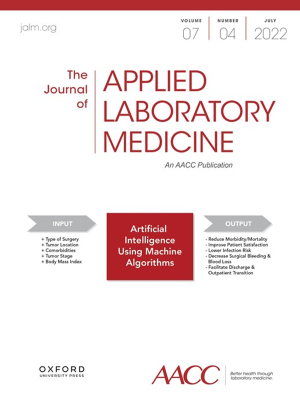
The objectives of this study were to compare the associations of glycated albumin and HbA1c with CKD and to investigate whether glycated albumin was associated with CKD above and beyond HbA1c in a nationally representative sample of US adults with and without diabetes.
The study showed that the associations of HbA1c and glycated albumin with CKD are similar in magnitude and results are consistent by race/ethnicity.
The findings are consistent with a growing literature that suggests that glycated albumin may provide similar or complementary prognostic information to HbA1c.
In conclusion, the results support glycated albumin as a useful biomarker of hyperglycaemia.
Published in
Kidney Disease
Keywords
Friday, 15 July 2022 12:43
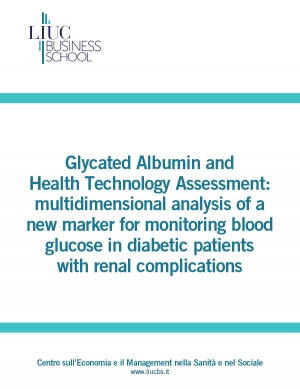
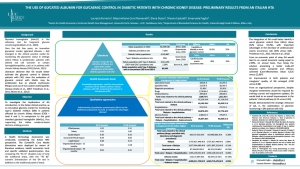
Glycated Albumin and Health Technology Assessment: multidimensional analysis of a new marker for monitoring blood glucose in diabetic patients with renal complications
Published in
HTA & Kidney Disease EN







|
|
|
|
|
|
|
|
|