



Diabetes
Diabetes describes a group of metabolic diseases in which blood glucose is not metabolized either because insulin production is inadequate or not sufficient, or because the body does not respond properly to insulin or both.
Glycated Albumin can early indicate both an improvement and a deterioration of the patient’s glycaemic status. It could be useful in all those conditions requiring a short-term glycaemic control, such as after starting a drug therapy or changing it.
Variations occurring in GA in the first two weeks predict changes in HbA1c expected to occur 3 months later

Displaying items by tag: HbA1c
ADA – American Diabetes Association: Hemoglobin A1c – Using Epidemiology to Guide Medical Practice: Kelly West Award Lecture 2020
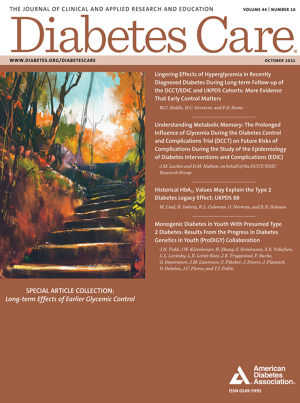
The review highlighted the benefits of HbA1c for the diagnosis and management of diabetes. But he also presented potential alternatives to HbA1c . The study provided insight into the GA results in relation to HbA1c and fructosamine equivalent values.
The Association of Serum Glycated Albumin with the Prevalence of Diabetic Retinopathy in Korean Patients with Type 2 Diabetes Mellitus
An increased Glycated Albumin (GA) level was significantly correlated with the presence of diabetic retinopathy and measuring GA levels in addition to HbA1c is useful as a marker for retinopathy, especially in patients with moderate glycemic control.
Challenges in the Interpretation of HbA1c
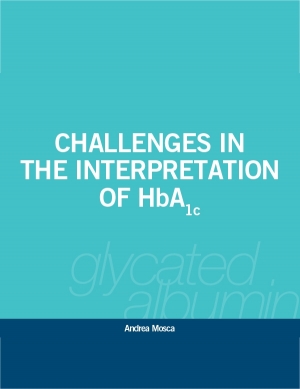
HbA1c is the most important parameter for monitoring glycaemic control, but in certain circumstances the result is not easy to determine. In these cases, a different approach involving the retrospective evaluation of glycaemic control, based on the measurement of various glycated proteins, such as albumin, is required.






|
|
|
|
|
|
|
|
|