



Kidney Disease
Kidney disease is damage to or disease of a kidney
Renal failure is always correlated with reduced RBC lifespan (mechanical brakeage, Hb variation) and erythropoietin therapy: this affects HbA1c (mean glycaemia underestimation). GA is a more reliable marker, as it is not depending on RBC lifespan.
GA is more accurate than HbA1c in hemodialysis patients or peritoneal dialysis patients
In Urea excess, carbamylated hemoglobin is produced: this can interfere with some analytical methods causing false high HbA1c values. Glycated Albumin is not affected by this scenario, thus working as a better marker.

Displaying items by tag: good practice point
Monday, 15 January 2024 16:05
Executive Summary: Guidelines and Recommendations for Laboratory Analysis in the Diagnosis and Management of Diabetes Mellitus
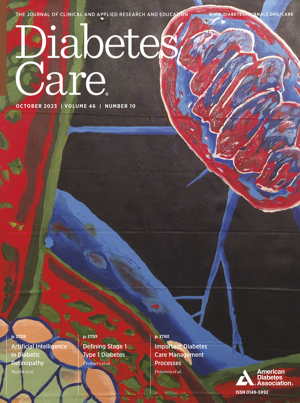
The American Diabetes Association and American Association for Clinical Chemistry recommend the Glycated Albumin as Good Practice Point (GPP) in clinical settings where patients show variants of haemoglobin, red cells anomalies and factors that are limiting the use of HbA1c.
The guidelines, for the first time, give a clear recommendation and a valid alternative to the HbA1c evaluation.
This is a turning point in the management of patients affected by thalassemia, hemoglobinopathies or pathologies related to the altered erythrocyte turnover.
Published in
Diabetes
Keywords







|
|
|
|
|
|
|
|
|